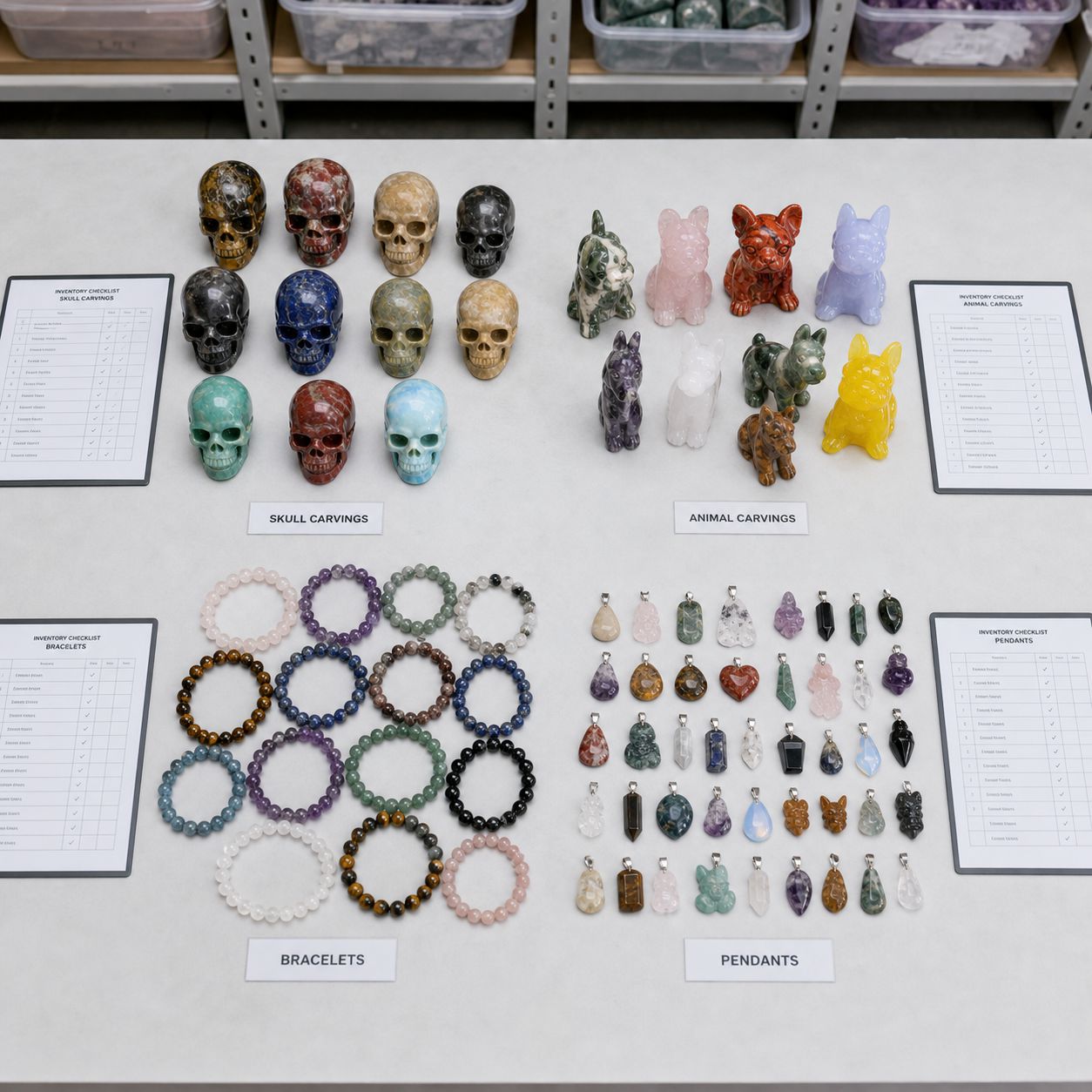
— Quand commander, quand attendre et comment optimiser le moment de vos achats pour bénéficier des meilleurs prix et délais de livraison
Pourquoi le timing est important
Dans le secteur du cristal, le timing n'est pas qu'une question de commodité : il est aussi question de coût, de capacité et de fiabilité. Commander au mauvais moment peut entraîner des délais de livraison plus longs, des prix plus élevés, voire les deux. Commander au bon moment, en revanche, vous garantit de meilleurs tarifs, des créneaux de production plus courts et une logistique optimisée. Ce guide analyse les enjeux cruciaux du troisième et du quatrième trimestre, les deux trimestres les plus importants de l'année pour l'approvisionnement en cristal.
3e trimestre (juillet – septembre) : La période des fêtes
Dès le mois de juillet, la machine à commandes de Noël est déjà lancée. Les acheteurs passent généralement leurs commandes de Noël entre décembre et mars ou avril de l'année suivante, les livraisons ayant lieu en août et septembre.Cela signifie que le troisième trimestre est la période où les usines fonctionnent à pleine capacité, souvent avec des heures supplémentaires et des délais de livraison très courts.
Que se passe-t-il sur le terrain ?
Juillet est traditionnellement un mois plus calme pour les ventes de cristal, les usines se concentrant principalement sur l'exécution des commandes existantes et l'écoulement de leurs stocks.Mais le mois d'août marque le début de la montée en puissance de la haute saison. Les anticipations de la demande du marché augmentent et les fabricants commencent à ajuster leurs prix à la hausse.Un propriétaire d'usine l'a exprimé sans détour : « Ce n'est pas le manque de commandes qui nous effraie, c'est l'impossibilité de les expédier. »
En septembre, la pression s'intensifie. Les commandes de Noël ont souvent des délais de livraison plus courts que les années précédentes, ce qui oblige les usines à accélérer la production.Si vous passez de nouvelles commandes au troisième trimestre — en particulier des commandes personnalisées ou en gros — attendez-vous à des délais de livraison plus longs et à moins de flexibilité.
Bilan B2B du troisième trimestre
Les délais de livraison s'allongentLes commandes personnalisées, qui prennent normalement 15 à 20 jours, peuvent facilement dépasser les 30 jours, les usines donnant la priorité aux engagements pris pour Noël.
Les prix augmentent progressivementAu troisième trimestre, les prix des produits en cristal devraient légèrement augmenter, les prévisions de la demande se renforçant..
La capacité est limitée.Les usines fonctionnent à pleine capacité ou presque. Les commandes urgentes sont coûteuses, voire impossibles à accepter.
L'opportunité du troisième trimestreSi vous prévoyez vos activités pour le premier trimestre de l'année suivante, le troisième trimestre est en fait un moment judicieux pour bloquer les prix des matières premières avant la flambée de fin d'année..
T4 (octobre – décembre) : Dédouanement, pics d'activité et préparation stratégique
Le quatrième trimestre est un trimestre de contrastes. Octobre marque souvent une accalmie après la frénésie d'achats : après la centralisation des achats, on entre dans une période d'attentisme, et l'offre et la demande tendent à s'équilibrer.Mais en novembre et décembre, la situation change à nouveau.
Octobre : Le calme après la tempête
En octobre, le marché du cristal entre dans une période d'attentisme après les achats concentrés des mois précédents.De nombreux fabricants adoptent une stratégie consistant à maintenir les prix tout en écoulant leurs stocks.Cela peut constituer une bonne opportunité d'achat, surtout si vous êtes prêt à acquérir des stocks que les fabricants souhaitent écouler.
Novembre – décembre : Le pic de fin d'année
À l'approche de la fin de l'année, de multiples forces convergent :
Demande de Noël et du Nouvel An Cela dynamise le marché. « Le second semestre, avec Halloween et Noël, représente la haute saison pour l'achat de produits en cristal par les clients étrangers », note un observateur du secteur.Les clients haut de gamme peuvent même acheter par caisse..
événements d'entreprise créer un pic de la demande de récompenses, de trophées et de cadeaux en cristal à l'occasion des réunions et célébrations annuelles des entreprises.
Dynamique des prix Cela devient intéressant. Les prix des cristaux sont connus pour fluctuer « au jour le jour » à partir d'octobre environ, et de nouvelles hausses sont attendues après le Nouvel An chinois.Un grossiste a remarqué qu'à partir d'octobre 2024, les prix changeaient quotidiennement.La leçon à retenir ? Si vous attendez décembre pour passer vos commandes, vous risquez de payer le prix fort.
coûts des matières premières La hausse s'est également manifestée au quatrième trimestre. L'indice des prix des blocs de cristal a progressé en octobre, les entreprises verrières étant confrontées à des niveaux de stocks élevés et à une faible demande finale..
L'opportunité du 4e trimestre : Préparation stratégique pour l'année à venir
Les acheteurs B2B avisés utilisent le quatrième trimestre non seulement pour répondre à leurs besoins immédiats, mais aussi pour préparer l'année à venir. Les prix des matières premières au quatrième trimestre, bien qu'élevés, restent plus prévisibles que la flambée observée après le Nouvel An chinois.S’approvisionner en matières premières avant la fermeture pour les fêtes peut vous faire économiser de l’argent et vous éviter bien des soucis.
En résumé : deux trimestres, deux stratégies
Le troisième trimestre consiste à gérer les attentes. Si vous devez passer commande au troisième trimestre, prévoyez des délais de livraison plus longs, soyez prêt à payer un supplément pour les commandes urgentes et communiquez clairement avec votre fournisseur concernant les délais de livraison. Mieux encore : commandez vos stocks de Noël au premier trimestre ou début du deuxième trimestre, lorsque les usines ont des capacités de production et que les prix sont plus stables.
Le quatrième trimestre est axé sur le positionnement stratégique. Profitez du mois d'octobre pour faire de bonnes affaires. En novembre, finalisez vos commandes de matières premières du premier trimestre avant que les fermetures liées au Nouvel An chinois n'entraînent une nouvelle hausse des prix. Enfin, en décembre, consolidez vos relations avec vos fournisseurs pour l'année à venir.
Sur notre site web, nous aidons les acheteurs B2B à gérer les fluctuations saisonnières grâce à des estimations de délais de livraison transparentes, des options de quantité minimale de commande flexibles et une visibilité des stocks en temps réel. Que vous prépariez votre commande de Noël ou que vous constituiez vos stocks pour la nouvelle année, nous vous aidons à optimiser votre timing.


 English
 Français
 عربي
عربي Deutsch